7 Signs It’s Time to Sharpen Your CNC Tooling (and How to Extend Tool Life)
Every CNC router cutter eventually becomes dull. The challenge is knowing when to sharpen it.
Leave it too long, and you’ll experience poor cut quality, increased machine load, premature tool failure and unnecessary downtime. Sharpen it too early, and you may not be getting the maximum value from your tooling investment.
At Leitz, one of the most common questions we’re asked is:
“How often should I sharpen my CNC router cutters?”
The answer isn’t measured in days or weeks, its measured by performance.
Here’s what every manufacturer should know.
Can CNC Router Cutters be Sharpened?
Yes, provided they’re manufactured with re-sharpening in mind.
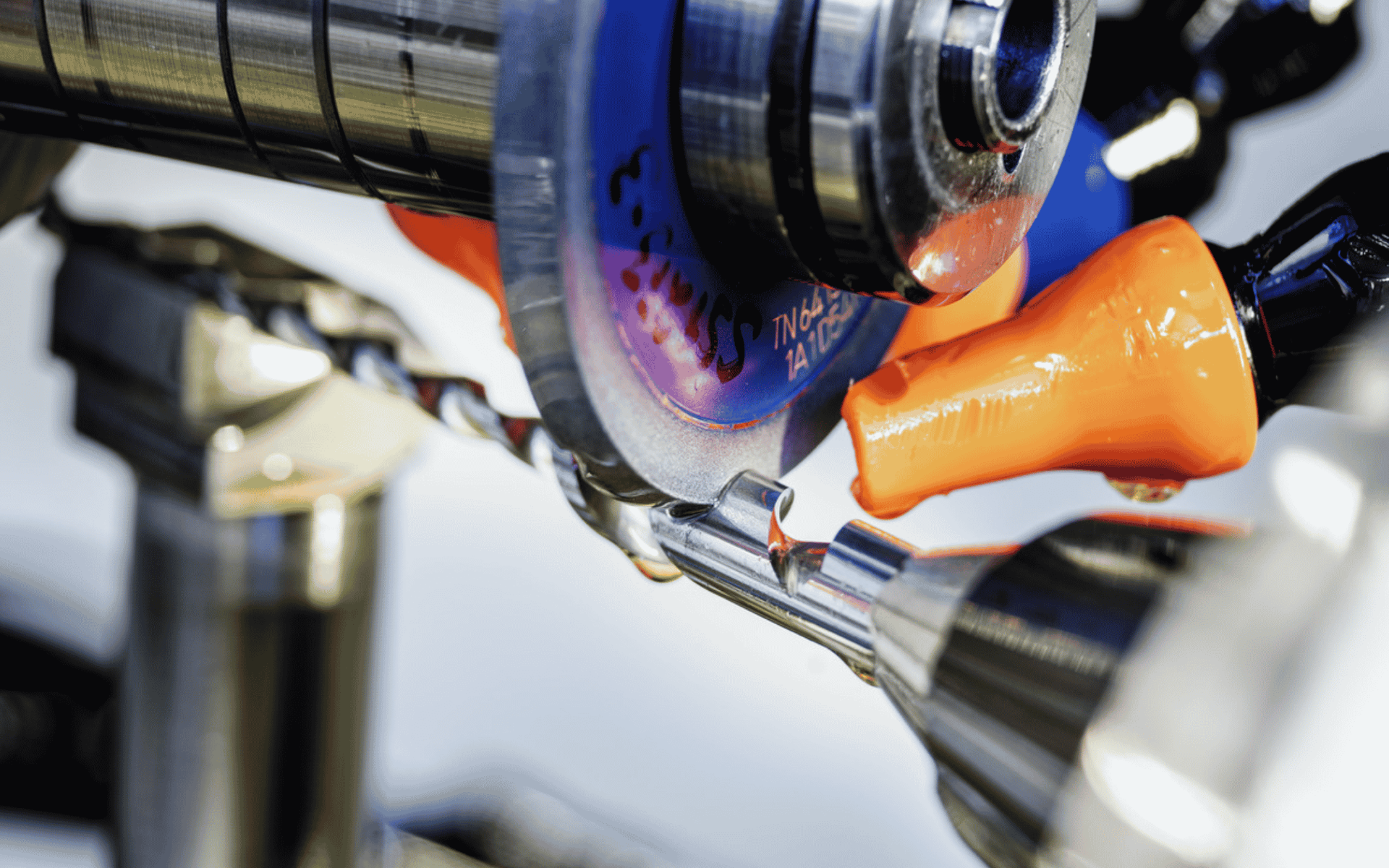
High-quality carbide tooling, such as Leitz Australian Made Compression Router Cutters, can typically be professionally re-sharpened three to four times, significantly extending their service life while maintaining machining performance.
Professional sharpening restores the cutting the geometry, edge quality and performance of the tool, allowing you to maximise the return on your tooling investment.
Leitz Australian Made Compression Router Cutters
Why Australian-Made CNC Tooling matters in modern manufacturing.
How often should Router Cutters be Sharpened?
There isn’t a universal timeframe.
The lifespan of a cutter depends on several factors, including:
- Material being machined
- Production volume
- Feed speeds
- Machine condition
- Clamping system condition
- Tool quality
- Dust extraction
- Operator setup
A workshop machining MDF all day will require sharpening more frequently than one cutting solid timber or working with lower production volumes.
Rather than following a schedule, monitor the signs your tooling is giving you.
Learn more about Leits precision tool servicing and sharpening across Australia and New Zealand.
7 Signs your CNC Router Cutter needs Sharpening
1. Poor Edge Finish
One of the first signs of a dull cutter is a reduction in finish quality. You may notice:
- Chipping
- Tear-out
- Fuzzy edges
- Rough surfaces
This is particularly noticeable on melamine and laminated boards.
2. Increased Burning
If you’re machining timber and noticing burn marks, the cutting edge is no longer slicing cleanly. Instead, friction increases as the tool rubs against the material.
3. Higher Machine Load
A dull cutter forces your CNC spindle to work harder.
Watch for:
- Increased spindle load
- Higher power consumption
- Slower cutting performance
Over time this can place unnecessary stress on your machine.
4. More Noise than Normal
Sharp tooling cuts cleanly. Blunt tooling often sounds different. If you notice vibration, chatter or excessive cutting noise, your cutter may be approaching the end of its cutting cycle.
5. Increased Sanding or Rework
If operators are suddenly spending more time sanding parts or correcting imperfections, the tooling may be the real cause. Sharper cutters produce cleaner components that require less manual finishing.
6. Shorter Chip Formation
Healthy cutters produce clean, consistent chips. As cutting edges wear, chips often become smaller, fine or dusty. This is an early indicator that edge performance is deteriorating.
7. Declining Productivity
Sometimes the biggest warning sign isn’t visible; it can be production slowing down. Longer machine times, additional finishing work and unexpected tool changes all contribute to higher manufacturing costs.
Why Waiting Too Long Costs More
Many businesses continue using tooling until it fails. Unfortunately, this can be the most expensive approach.
Running blunt tooling can lead to:
- Reduced cut quality
- Increased scrap
- Machine wear
- Longer machining times
- Higher power consumption
- Additional labour
- Premature tool failure
Sharpening before the cutter becomes excessively worn helps preserve the tool while maintaining production quality.
Learn more about smarter tooling cost management here.
7 Tips to Maximise CNC Router Cutter Life
Choose Quality Tooling
Premium tooling starts sharper and stays sharper longer.
Leitz Australian Made Carbide Router Cutters are manufactured in Melbourne using premium carbide and precision CNC grinding technology, delivering longer edge life and exceptional finish quality.
Discover how your cheaper router cutters are costing you more money in the long-term.
Match the Tool to the Material
Not every cutter is designed for every application. Using the correct geometry for MDF, melamine, plywood or solid timber dramatically improves both the finish quality and tool life.
Processing Shaker doors? See our Shaker door tooling package here.
Optimise Feed Rates and Speeds
Incorrect machining parameters are one of the biggest causes of premature wear. Your tooling supplier can recommend cutting data suited to your machine and materials.
Maintain Good Dust Extraction
Heat is the enemy of cutting tools. Effective chip evacuation keeps the cutting edge cooler and reduces unnecessary wear.
Store Tooling Correctly
Avoid tools contacting each other. Minor impacts during storage can damage precision cutting edges before the tool even reaches the machine. Store cutters individually in protective holders or cases.
Sharpen Early
Professional re-sharpening removes only a small amount of carbide while restoring the original cutting geometry. Waiting until the cutter is severely worn may reduce the number of successful sharpening cycles available.
Check your Collet Chucks
Even the highest-quality router cutter can’t perform properly if it’s held in a worn or damaged clamping system. Over time, collet chucks naturally wear through repeated tool changes, vibration and normal machining forces. As wear develops, the cutter may no longer be held with perfect concentricity, resulting in increased runout. This can lead to;
- Premature cutter wear
- Poor cut quality
- Increased vibration
- Reduced spindle life
- Shorter tool life
Learn more about how proper collet care maximises your CNC performance.
Leitz Clamping Systems: Precision starts here.
Why Your Clamping System Matters
As a general guide, collet chucks should be inspected and cleaned regularly, and replaced every 6-12 months. Replacing worn clamping systems is a relatively small investment that can significantly extend tool life and maintain machining accuracy.
Premium systems such as the LEITZ NIRO COLLET CHUCK are engineered for superior clamping force, exceptional concentricity and reduced vibration, maximising cutter performance and machine reliability.
See Leitz Clamping Systems here.
Why Choose Leitz Expert Sharpening Services?
Sharpening isn’t simply making a tool sharp again. Professional re-sharpening restores the cutter's original cutting geometry, balance, and performance using advanced CNC grinding equipment. This ensures the tool continues to perform as intended while extending its working life.
At Leitz, our service centres across Australia and New Zealand provide expert re-sharpening, repair and technical support for carbide, diamond and HSS tooling, helping manufacturers maximise productivity while reducing tooling costs.
Did you know we offer fixed-rate servicing agreements? Find out more here.
Get More from Every Cutter
Investing in premium tooling is only part of the equation.
Regular inspection, correct machining practices and professional re-sharpening all play an important role in reducing downtime, extending tool life and lowering your total cost of ownership.
Leitz Australian Made Compression Router Cutters are designed to be re-sharpened multiple times, supported by local manufacturing, Australia’s largest tooling servicing network and our carbide recycling program – helping manufacturers get the maximum value from every tool.
If you’re unsure whether your tooling is ready to be sharpened, speak to your local Leitz representative. Our team can assess your cutters and recommend the best servicing schedule for your production environment.
Talk to your local Leitz Technical Sales Representative today.
Contact Leitz at sales@leitz.com.au or call 1300 135 12