Timber Window Trends 2026
Architecture, Sustainability and Performance
In architecture and design, windows trends are shaping how buildings perform, how spaces feel and how sustainably we build. Window systems are becoming a defining element of modern buildings, not just a functional component.
In 2026, both Australian and European window trends show a clear emphasis on timber, advanced glazing, performance standards like Passive House and design features that enhance comfort, aesthetics and environmental impact.
Whether you’re an architect, builder or homeowner, understanding these trends will help you make smarter window decisions that align with both current design language and future performance expectations.
Timber Windows Are Back - With Purpose and Performance
Timber windows have emerged as a premium architectural choice in Australia. After years of aluminium and uPVC dominance, there’s a renewed appreciation for the warmth, texture and sustainability of natural wood, influenced by advanced European window technologies. In Europe, high-quality engineered timber is gaining traction for its stability and environmental appeal.
Australian residential architecture is also embracing sustainable materials and warmer palettes, with timber playing a key role in achieving both visual character and high performance.
Windows as Performance Systems - Passive House (PassivHaus) and Energy Efficiency
Energy efficiency is no longer optional; it’s a design priority. Changes from Double to Triple glazing with low-E coatings and inert gas fills is becoming standard expectations for high-end builds, especially in regions with strict energy codes.
This emphasis on thermal performance is strongly aligned with Passive House principles, where windows are a core part of the building strategy. In passive design, windows are not simply openings, they are engineered for extreme insulation, optimized solar gains and airtightness.
In Australia, Passive House and low-energy design are increasingly adopted, with architects prioritising orientation, insulation and natural ventilation to reduce heating and cooling loads.
As energy codes tighten and sustainability targets become standard practice, windows are evaluated both for design and environmental performance.
Bigger Glass, Slim Profiles and Architectural Light
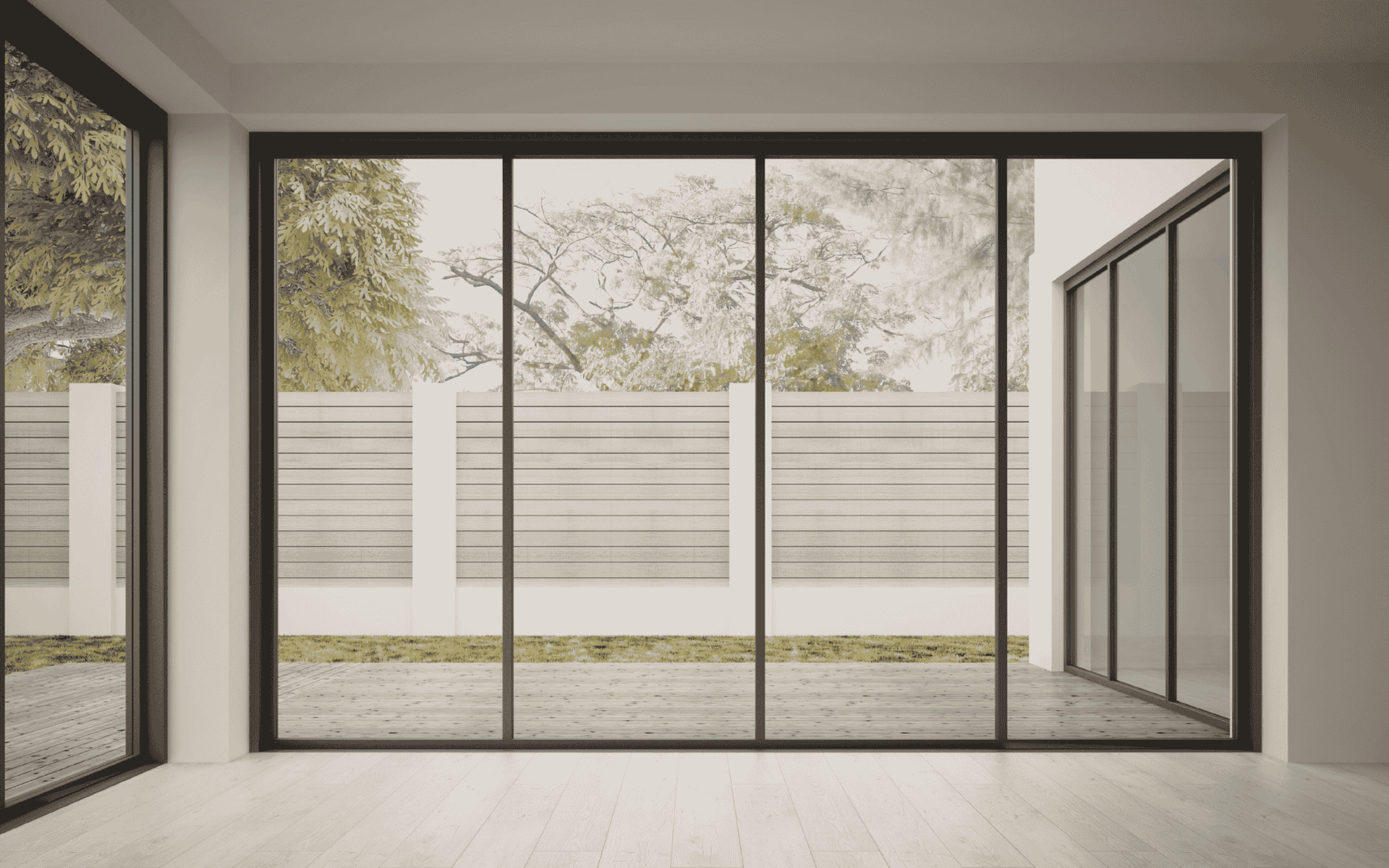
Australia has always been at the forefront of maximising natural light as a core trend. 2026 is kicking it up a notch with large glazing areas, floor-to-ceiling windows and slim profiles that blur the boundary between inside and out — supporting brighter interiors and a stronger connection to landscape.
In Europe, minimal sight lines and expansive glazing are defining contemporary architecture, supporting clean, uninterrupted facades. This requires superior window framing design and systems with slimmer profiles.
Australians, living in climates that favour indoor-outdoor living, are similarly embracing large windows and sliding doors that enhance ventilation and daylight. Windows must maintain their structural integrity and thermal performance while increasing glass area. System design and precision engineering from Australian manufacturers is critical.
Hybrid Systems and Smarter Materials
Timber-aluminium combinations remain popular across Europe and are growing in Australia. Timber interiors provide warmth and natural texture, while aluminium exteriors deliver durability and weather resistance.
At the same time, responsible sourcing, FSC certification and lifecycle thinking are quickly becoming non-negotiables in architecture and design.
Integrated Technology – Smart Windows
Technology is playing a growing role in window design. From advanced glazing coatings to adaptive tinting and integrated sensors, windows are contributing more actively to environmental control and comfort.
The Bigger Picture – Responsible Design
What we’re seeing across Australia isn’t just a style shift, it’s a mindset shift. Builders, designers and manufacturers are thinking long-term, quantifying the environmental impact and supporting ecofriendly/Passive House principles. Windows are no longer just functional components, they are central to aesthetic expression, environmental performance and occupant wellbeing.
For manufacturers, architects and builders, the opportunity is clear: align design ambition with sustainable, high-performance window systems that are built for the future.